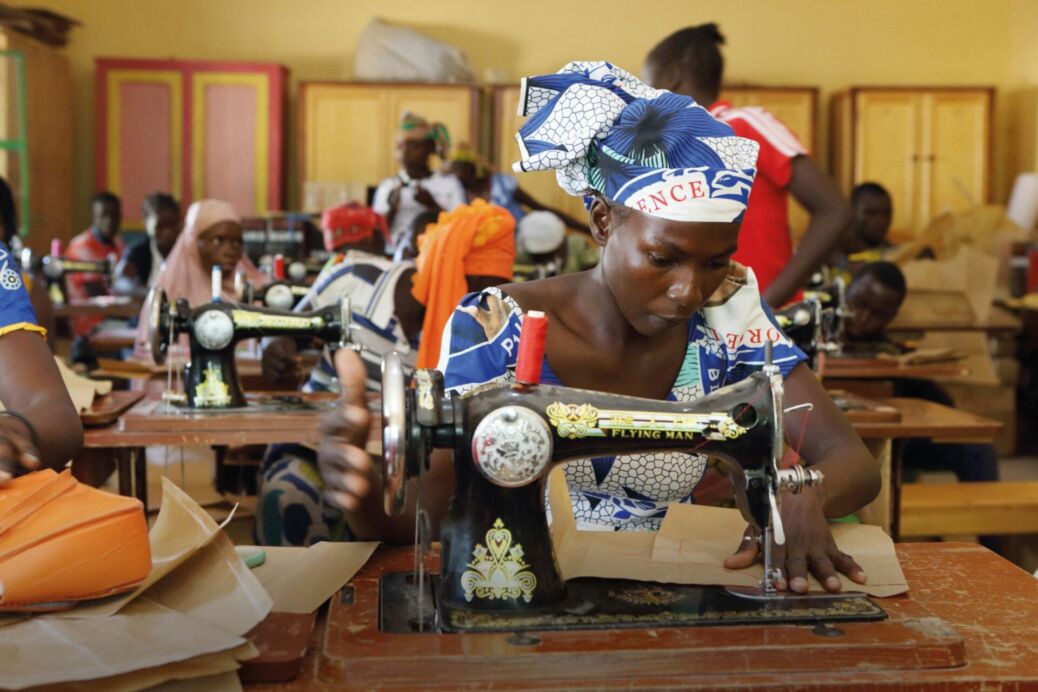
Saturday 21 March 2026 was a historic and memorable day for the Missionary Sisters of the Immaculate‘s Vocational Training Centre in Djalingo. On this date, the Italian association Terra e Missione and the Djalingo Training Centre in Cameroon – two tailoring schools – launched a twinning initiative via videoconference.
It was Anna Moccia who opened the door to this initiative of cultural and professional sharing and exchange. The Terra e Missione APS association of the Diocese of Porto-Santa Rufina has incorporated the twinning scheme into the ‘Fili di speranza’ project, a free sewing course that offers women in need the opportunity to acquire sewing skills and embark on a journey of personal growth and independence. The project represents a challenge: combining the learning of a trade with international solidarity.
The Missionary Sisters of the Immaculate (PIME) have responded to this initiative; at their mission in Djalingo, they work in the fields of education and the professional and personal development of women and girls. They offer those most in need – particularly school dropouts, illiterate women and the unemployed – the opportunity to improve their lives, learn a trade and become self-reliant.
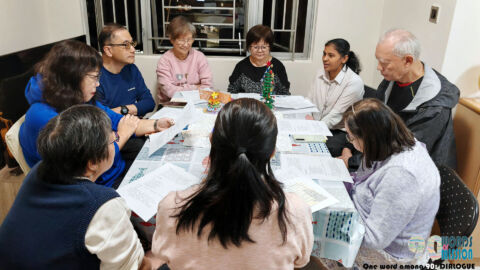
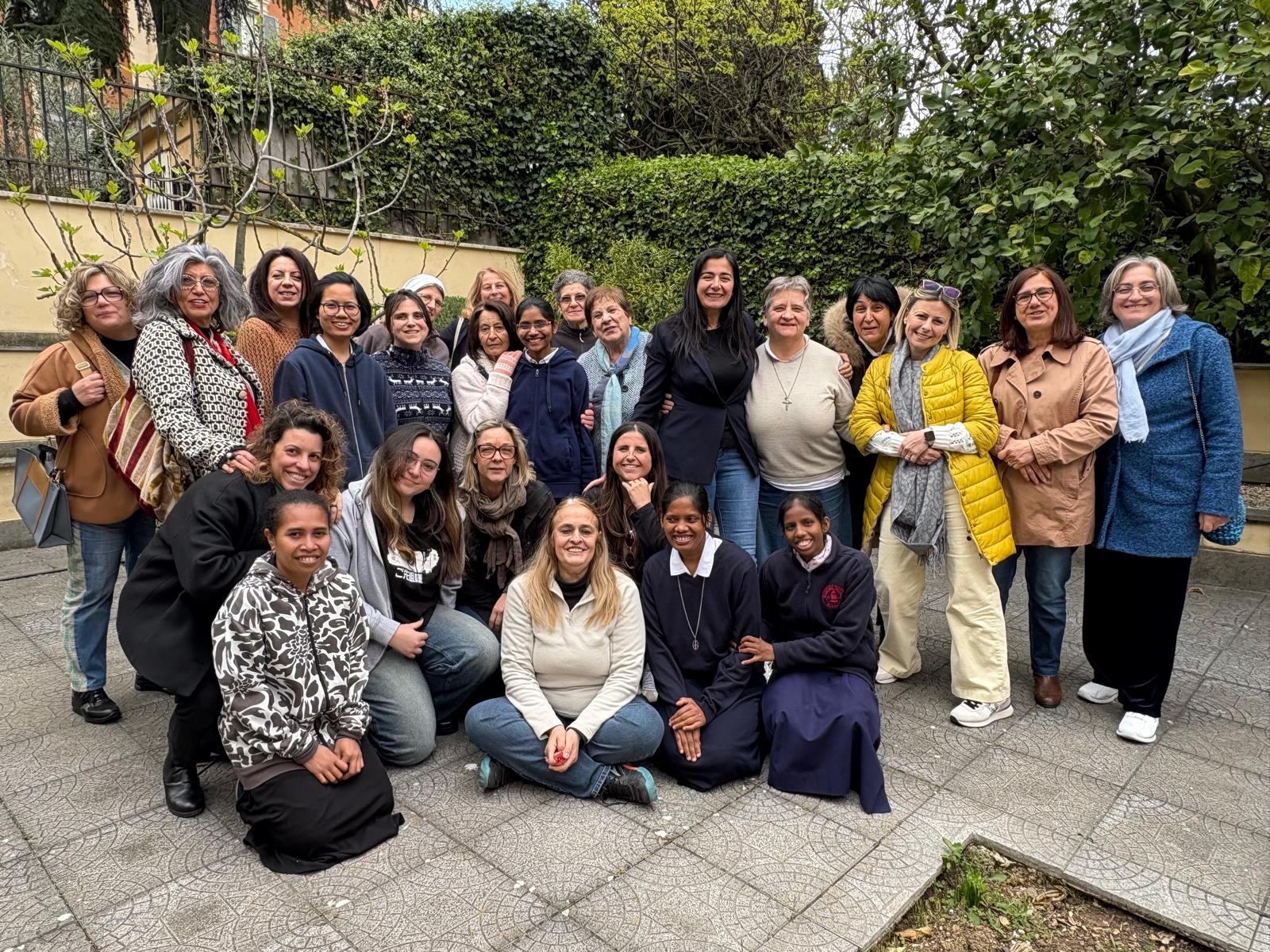
The main aim of the twinning initiative was to encourage exchanges, the sharing of experiences, creativity and the implementation of joint projects, whilst at the same time making the most of the strengths of both schools. On 21 March, at around 10.30 a.m., the participants gathered at the headquarters of the International Novitiate of the Missionary Sisters of the Immaculate in Rome, connected online to Cameroon. The meeting began with a prayer led by Sr Francesca Centorame, who also provided translation into two languages. This was followed by introductions from all the participants.
A key and significant moment was the testimony of Sr Rosetta Cereda, a key figure in the Djalingo sewing centre as we know it today. It was she who launched this extraordinary project with local women in Cameroon in 1998, a project that is still actively running today and which has sown precious seeds by training women in sewing, knitting, embroidery and literacy. Two of these women have now become trainers at this very same centre in Djalingo.
At the end of the meeting, the students from the Djalingo centre presented their work: various items created during the embroidery, knitting and sewing courses, as well as other fabric creations. Unfortunately, there was not enough time for questions, but it was undoubtedly a valuable meeting that helped to forge an international relationship and strengthen exchanges and collaboration.
Sr. Chandana Rebecca Rozario, Cameroon