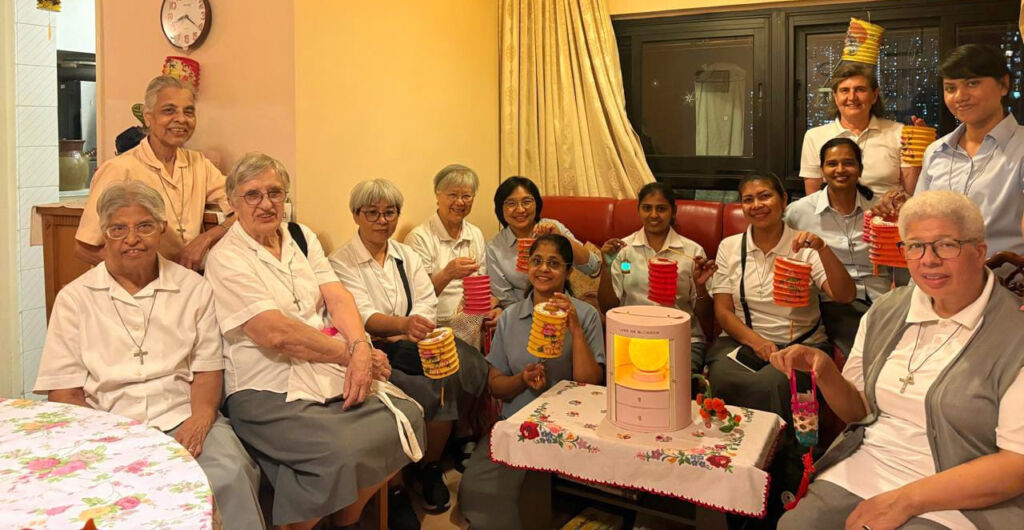
For the past four years, I have witnessed the Mid-Autumn Festival unfold in Hong Kong. It is a breathtaking cultural event: the cityscape glitters with intricate lanterns and the sweet, dense scent of mooncakes fills the air. Officially, it celebrates the harvest moon, but at its heart, the festival is about something far more profound: the sacred ritual of the family meal and the irreplaceable warmth of togetherness. I was told that this is the time when families reunite, when generations gather under the same roof to share stories and gaze at the same luminous moon. I once heard someone describe it beautifully: “It paints the city in hues of gold and familial love. Yet, for some, the brightest moon can cast the longest shadow.”
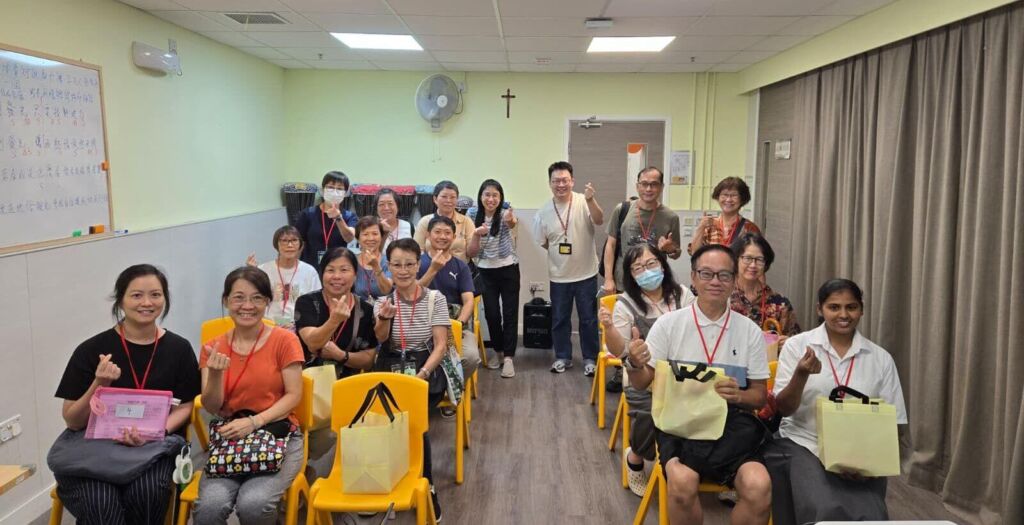
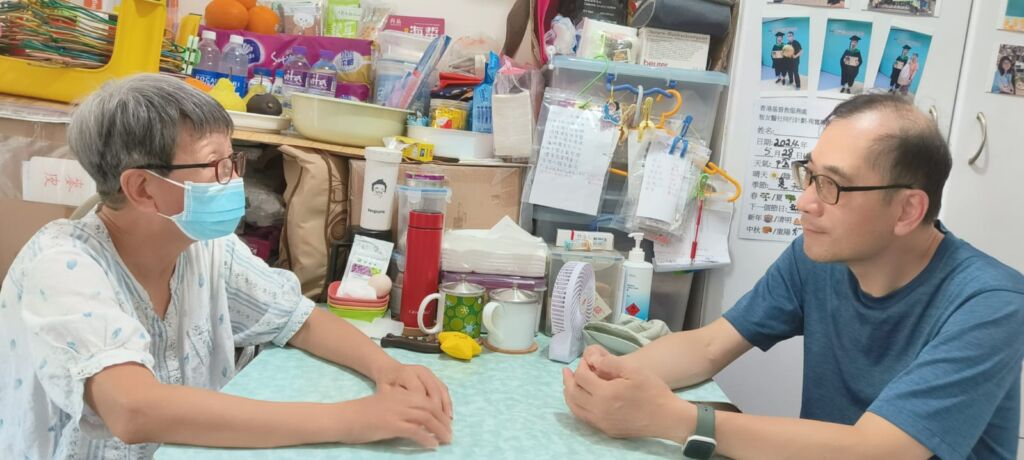
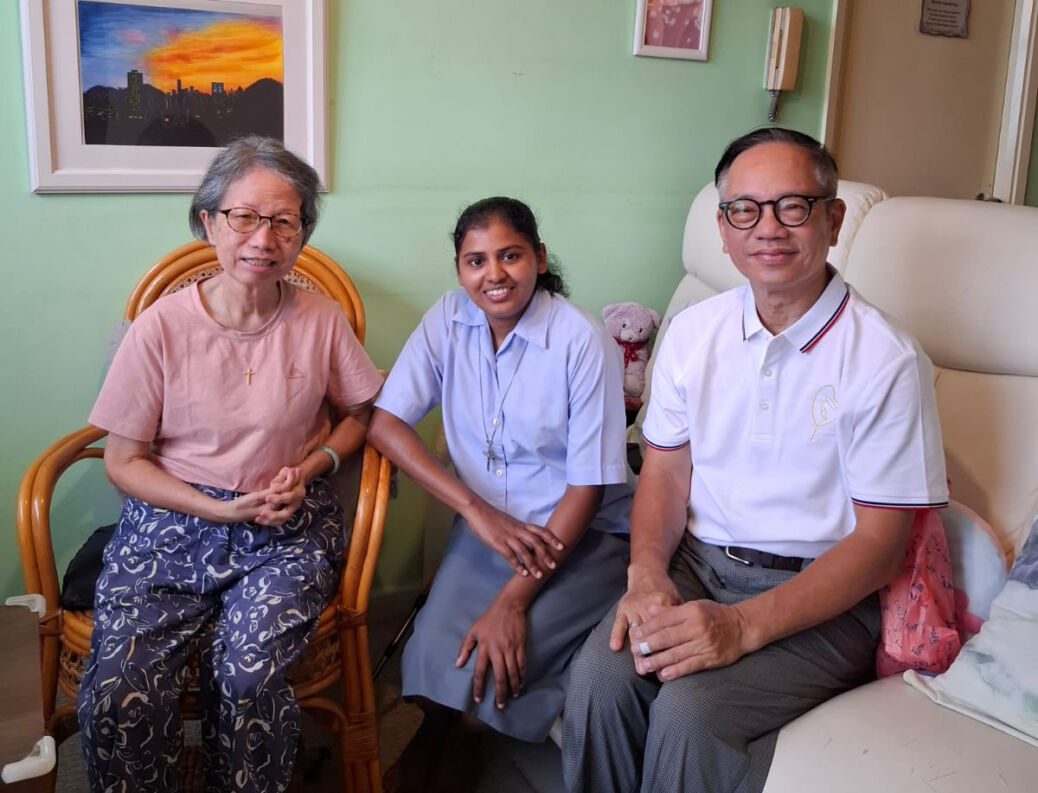
This year, my understanding of the festival deepened in an unexpected way. I was privileged to join a family visit group, not to celebrate my own festival, but to carry its spirit to those for whom it can be most poignant: the elderly who live alone. Armed with boxes of rich, traditional mooncakes, we knocked on doors and found not just people, but hearts holding quiet strength and bearing the weight of loneliness with dignity. As we offered these symbolic pastries of reunion, their reactions were humbling. Their eyes, often clouded with the weariness of solitude, welled up with tears—not just because of the gift, but because of the simple human presence we represented. “My children are not here in Hong Kong,” one elderly woman shared, cradling the mooncake as if it were a treasure. “But they are so busy. They have their own families now.” Her words were not spoken with bitterness, but with a resigned melancholy. The very city that hosts this grand celebration of family is also one where life’s relentless pace can, ironically, pull families apart.
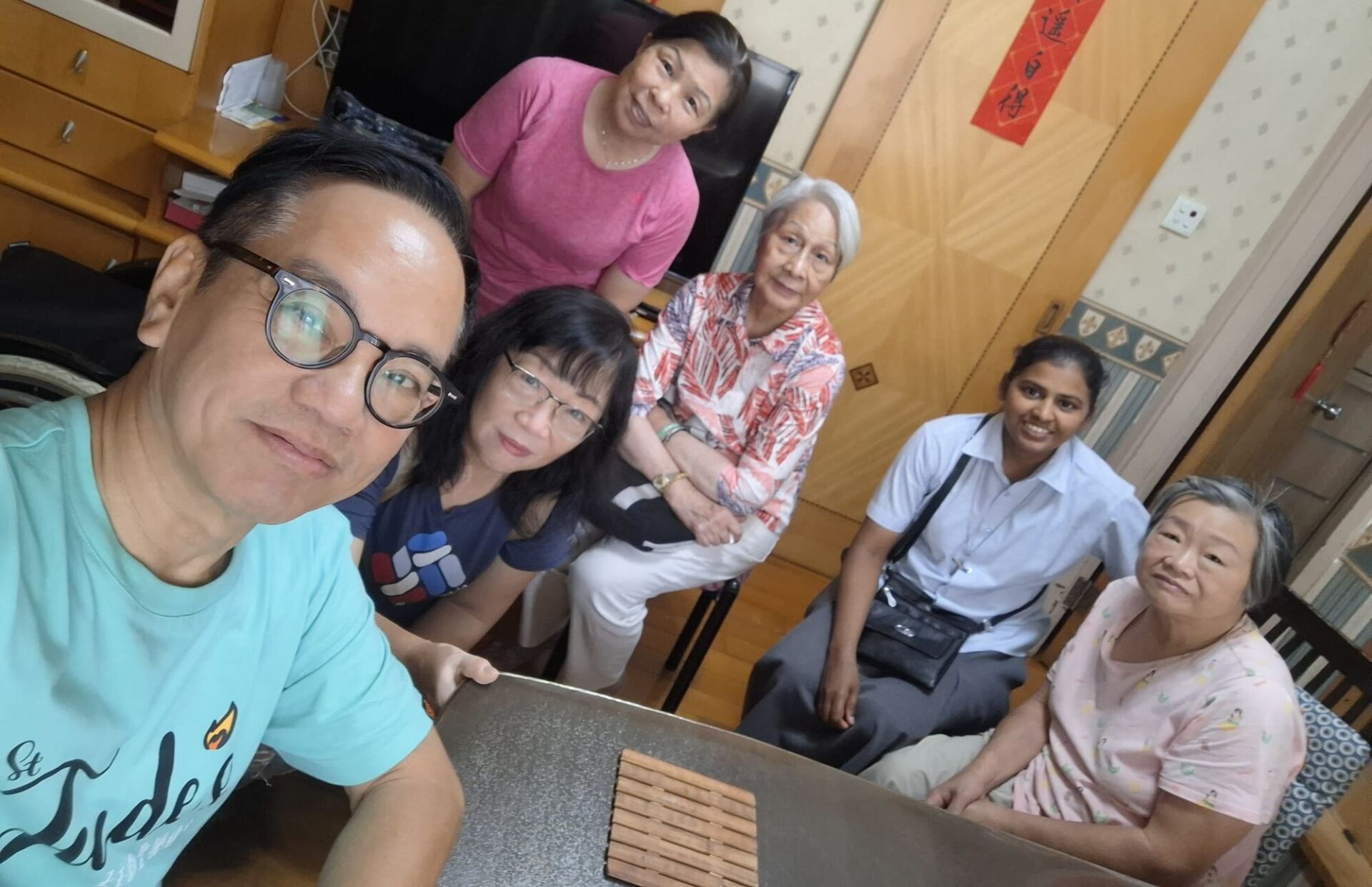
In that small, quiet apartment, our visit became more than a charitable act—it became a bridge. For a fleeting hour, we were not volunteers and recipients, but a temporary family. We shared the mooncake and talked about life. It was a moment of shared humanity, a consolation, and a joy carefully built amidst the silence. The true lesson of the Mid-Autumn Festival, I learned, lies not just in the grandeur of lantern displays or the sweetness of the cake, but in the light we can bring to the shadows. The festival’s core message of connection need not be confined to our own dining tables—it can be extended, shared, and multiplied. The greatest festival lantern is not the one we hold in our hands, but the one we kindle in another’s heart through a simple act of presence.
Sr. Hilda Joseph, Hong Kong